

Non-alcoholic fatty liver disease, clinically reclassified as metabolic dysfunction-associated steatotic liver disease (MASLD), now affects more than one in three urban adults across Dhaka, Chattogram, and Sylhet. Selecting the best food for liver health is not about trendy herbal cleanses or temporary fruit-juice detoxes, which actually flood the portal vein with concentrated fructose and worsen hepatic steatosis. True hepatocyte regeneration requires targeted biochemical nutrition that halts de novo lipogenesis, restores mitochondrial beta-oxidation, and supplies the sulfur, methyl, and phospholipid precursors required for cellular detoxification.
For decades, patients in Bangladesh were mistakenly told that fatty liver comes primarily from eating dietary fat, egg yolks, or traditional clarified butter. In clinical reality, excess intrahepatic triglyceride accumulation is driven by chronic hyperinsulinemia, refined white rice starch, industrial seed oils rich in linoleic acid, and liquid fructose. When we restructure daily meals around a clinically formulated liver healthy diet, hepatocytes rapidly mobilize trapped lipid droplets, normalize serum alanine aminotransferase (ALT) and aspartate aminotransferase (AST) enzymes, and restore systemic insulin sensitivity.
The Biochemistry of Fatty Liver: Why Standard Diets Fail in Bangladesh
Every gram of digested carbohydrate and fructose absorbed from the small intestine travels directly to the liver via the portal vein before entering systemic circulation. When a meal consists of a large mound of polished white rice (shada bhat), sweetened milk tea (dudh cha), or refined flour flatbreads (maida porota), portal glucose and insulin concentrations surge simultaneously. This dual hormonal and substrate signal activates two master lipogenic transcription factors inside the hepatocyte nucleus: Sterol Regulatory Element-Binding Protein 1c (SREBP-1c) and Carbohydrate-Responsive Element-Binding Protein (ChREBP).
Once SREBP-1c and ChREBP are upregulated, the liver converts excess glucose and fructose directly into palmitic acid and triglycerides through hepatic de novo lipogenesis (DNL). Simultaneously, high insulin levels stimulate acetyl-CoA carboxylase to produce malonyl-CoA, a potent allosteric inhibitor of carnitine palmitoyltransferase 1 (CPT-1) on the outer mitochondrial membrane. Because CPT-1 is blocked, fatty acids cannot enter the mitochondria to be burned for energy, forcing the hepatocyte to store newly synthesized fat inside cytosolic lipid droplets.
Compounding this metabolic gridlock is the widespread use of refined soybean oil, sunflower oil, and rice bran oil in Bangladeshi home cooking and street food. These industrial seed oils contain massive quantities of omega-6 linoleic acid, which oxidizes under high cooking heat into cytotoxic aldehydes such as 4-hydroxynonenal (4-HNE) and malondialdehyde (MDA). According to peer-reviewed clinical hepatology research indexed by the National Center for Biotechnology Information (PMC), oxidized lipid peroxides directly damage mitochondrial cardiolipin, trigger Kupffer cell inflammatory cascades, and accelerate the progression from simple steatosis to non-alcoholic steatohepatitis (NASH) and hepatic fibrosis.
Understanding Phase I and Phase II Hepatic Detoxification Pathways
Beyond regulating systemic glucose and lipoprotein metabolism, your liver operates as the body’s primary biochemical filtration and biotransformation engine. Every endogenous hormone metabolite, pharmaceutical compound, pesticide residue on vegetables, and gut-derived bacterial endotoxin (lipopolysaccharide) must be neutralized through a two-stage enzymatic process before excretion. When people search for a juice cleanse, they fail to realize that hepatic biotransformation is strictly dependent on amino acids, sulfur compounds, B-vitamins, and polyphenolic antioxidants.
Phase I Detoxification (Functionalization) is catalyzed by the cytochrome P450 (CYP450) superfamily of heme-containing enzymes located in the smooth endoplasmic reticulum of hepatocytes. Through oxidation, reduction, and hydrolysis reactions, CYP450 enzymes expose or add a reactive functional group to lipid-soluble toxins. Crucially, Phase I reactions generate highly reactive intermediate free radicals and superoxide anions that can damage hepatocyte DNA and membranes if not immediately quenched by intracellular glutathione, vitamin C, vitamin E, and dietary polyphenols.
Phase II Detoxification (Conjugation) is the rate-limiting clearance stage where the reactive intermediate from Phase I is covalently bound to a water-soluble molecule so it can be safely excreted via bile into the stool or via the kidneys into urine. Phase II consists of six primary enzymatic pathways: glutathione conjugation (requiring cysteine, glycine, and glutamate), sulfation (requiring organic sulfur from cruciferous and allium vegetables), methylation (requiring folate, vitamin B12, betaine, and choline), glucuronidation (supported by calcium-D-glucarate in bitter greens), acetylation, and amino acid conjugation (especially with glycine and taurine from wild fish and meat). If a patient eats a low-protein, high-starch diet deficient in sulfur and choline, Phase I continues producing reactive intermediates while Phase II stalls, creating severe intrahepatic oxidative stress.
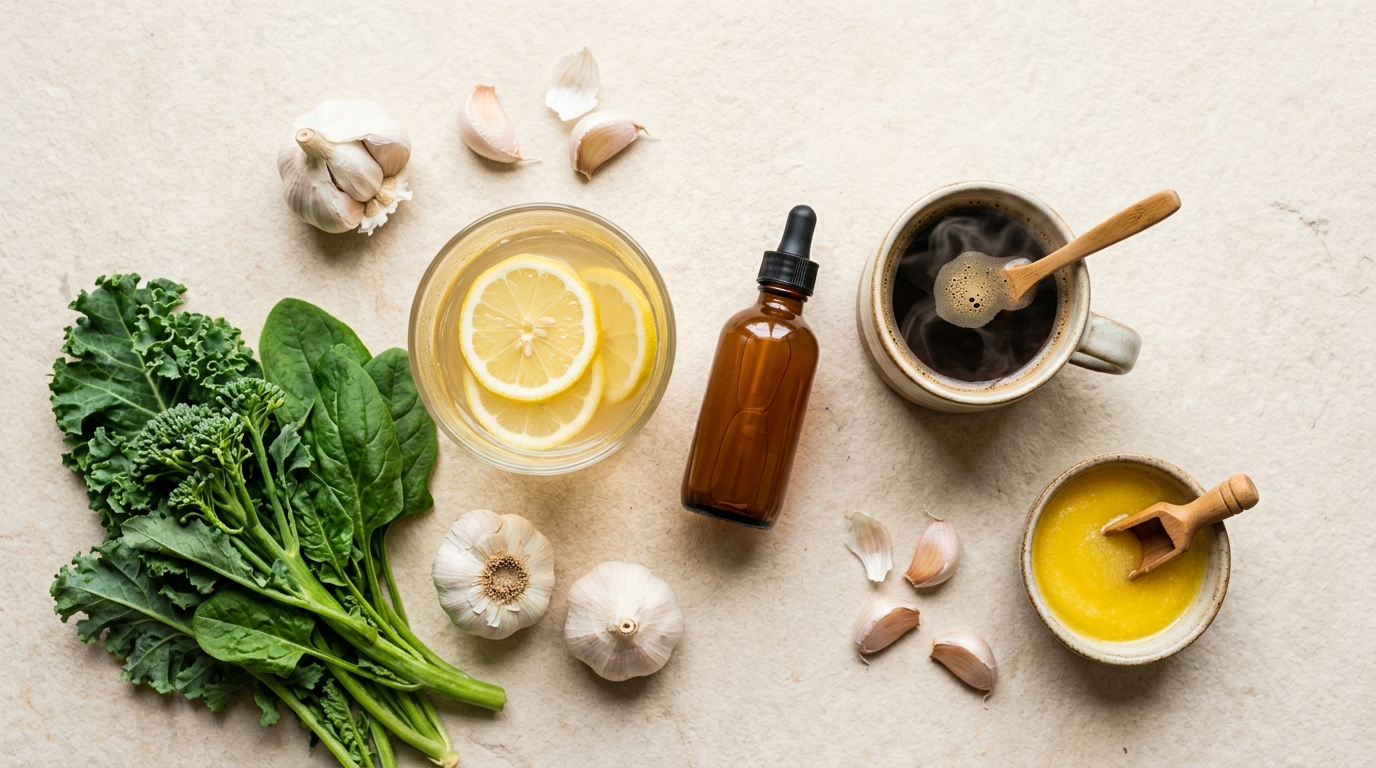
Top Bangladeshi Whole Foods for Hepatocyte Regeneration and Fat Clearance
1. Pasture-Raised Eggs and Deshi Duck Eggs: The Choline Export Engine
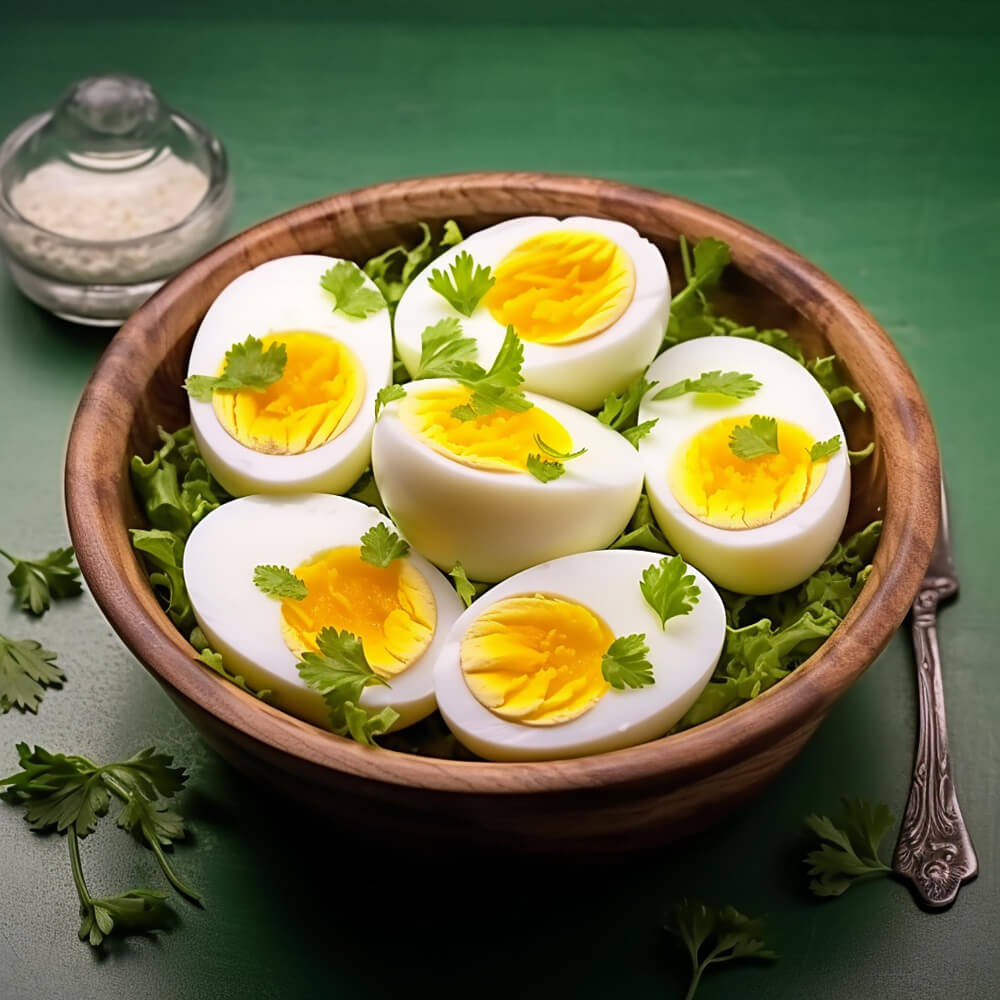
One of the most tragic nutritional misconceptions in South Asia is discarding the egg yolk out of fear of dietary cholesterol. Even if you suppress de novo lipogenesis by cutting carbohydrates, the liver cannot export existing stored triglycerides into the bloodstream as Very Low-Density Lipoprotein (VLDL) particles without an adequate supply of phosphatidylcholine. Choline is the essential nutrient required to synthesize the structural phospholipid envelope of VLDL particles via the hepatic CDP-choline (Kennedy) pathway and the phosphatidylethanolamine N-methyltransferase (PEMT) pathway.
In fact, clinical nutrition researchers induce fatty liver in laboratory models simply by feeding animals a choline-deficient diet. Two whole pasture-raised chicken eggs or deshi duck eggs provide approximately 290 to 320 mg of highly bioavailable phosphatidylcholine, alongside lutein, zeaxanthin, vitamin B12, and sulfur-rich methionine and cysteine. Eating two to three whole eggs daily—soft-boiled or gently poached so the yolk lipids remain unoxidized—is foundational when selecting the best food for liver health in a Bangladeshi household.
2. Bitter Gourd (Korola), Neem Leaves, and Bitter Leafy Greens
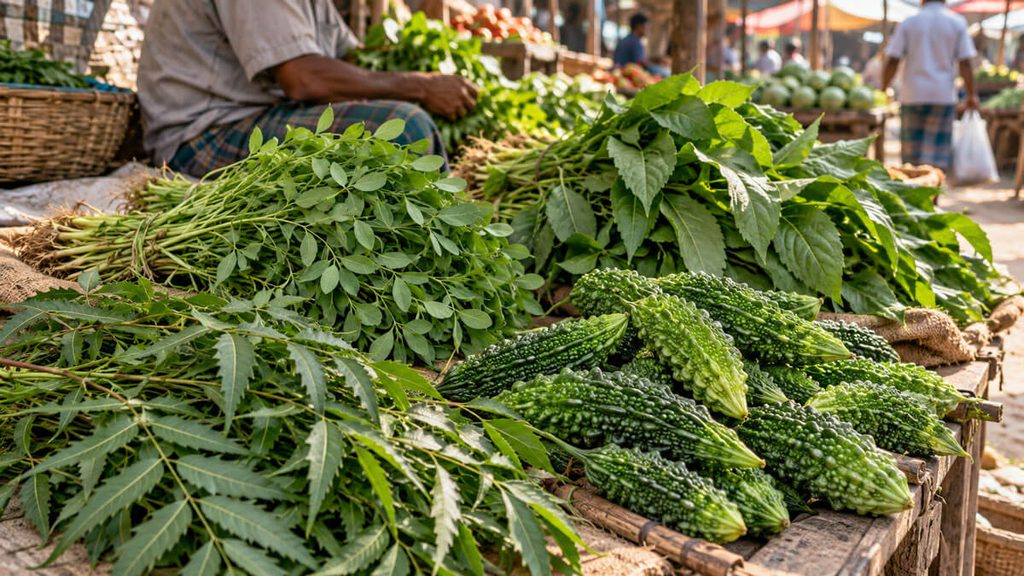
Traditional Bangladeshi culinary wisdom has long revered bitter foods (tito) served at the very beginning of the midday meal. Bitter gourd (korola or ucche), tender neem leaves (neem pata), fenugreek greens (methi shak), and jute leaves (pat shak) are packed with bitter triterpenoids, momordicosides, charantin, and sesquiterpene lactones. These bioactive compounds bind to bitter taste receptors (TAS2Rs) expressed not only on the tongue but also throughout enteroendocrine cells of the gastrointestinal tract and biliary tree.
Stimulating gut TAS2R receptors triggers the release of cholecystokinin (CCK) and glucagon-like peptide-1 (GLP-1), which contract the gallbladder and promote brisk bile flow (choleresis) through the common bile duct. Sluggish bile flow—known clinically as intrahepatic cholestasis—causes toxic bile acids, conjugated bilirubin, and cholesterol crystals to back up inside the liver parenchyma. Furthermore, momordicosides in korola directly activate AMP-activated protein kinase (AMPK) inside hepatocytes, flipping the cellular metabolic switch from fat synthesis to mitochondrial fatty acid oxidation.
3. Cruciferous and Allium Vegetables: Activating Nrf2 and Glutathione
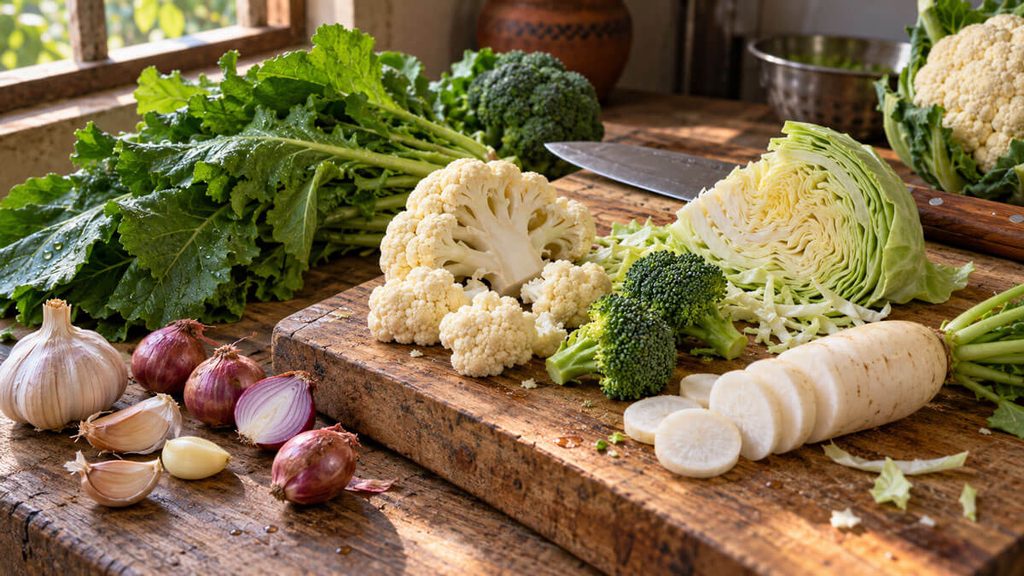
Winter and year-round Bangladeshi markets offer abundant cruciferous vegetables including cabbage (badhakopi), cauliflower (phulkopi), radish (mula) and radish greens (mula shak), mustard greens (shorshe shak), and broccoli, alongside pungent alliums like local multi-clove garlic (deshi roshun) and red shallots (deshi peyaj). Cruciferous vegetables contain glucosinolates such as glucoraphanin, which are hydrolyzed by the plant enzyme myrosinase when chopped or chewed into isothiocyanates, most notably sulforaphane.
Sulforaphane is the most potent natural dietary activator of the transcription factor Nrf2 (Nuclear factor erythroid 2-related factor 2). When Nrf2 translocates to the hepatocyte nucleus, it binds to the Antioxidant Response Element (ARE) on DNA, upregulating the expression of Phase II detoxification enzymes including glutathione S-transferase (GST), NAD(P)H:quinone oxidoreductase 1 (NQO1), and glutamate-cysteine ligase—the rate-limiting enzyme in intracellular glutathione synthesis. Meanwhile, allicin and diallyl disulfide in crushed raw local garlic supply the bioavailable organosulfur groups required for Phase II sulfation of steroid hormones and xenobiotics.
4. Small Indigenous Fish (Mola, Dhela, Kachki) and Hilsa: Omega-3s and Taurine
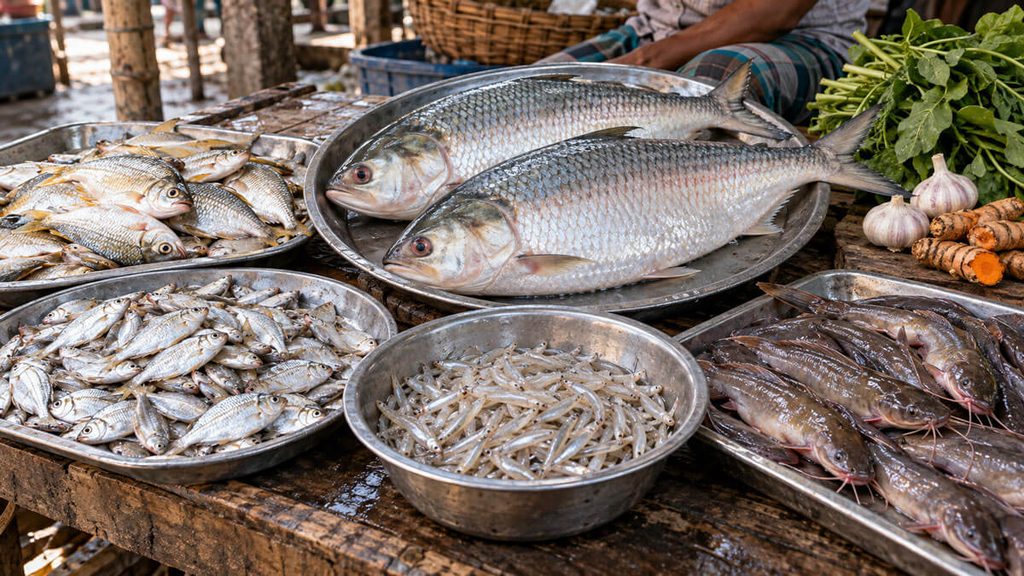
Bangladesh is blessed with nutrient-dense riverine and marine fish such as ilish (hilsa), mola, dhela, kachki, tengra, and boal. Unlike farm-raised fish fed high-corn commercial pellets, wild and indigenous fish provide long-chain marine omega-3 polyunsaturated fatty acids—eicosapentaenoic acid (EPA) and docosahexaenoic acid (DHA)—alongside abundant concentrations of the sulfur-containing amino acid taurine. Clinical trials published in The New England Journal of Medicine and leading hepatology journals confirm that EPA and DHA directly bind to Peroxisome Proliferator-Activated Receptor Alpha (PPAR-α) in the liver.
When PPAR-α is activated by marine omega-3 fatty acids, it increases the transcription of genes governing peroxisomal and mitochondrial fatty acid beta-oxidation while simultaneously accelerating the degradation of nuclear SREBP-1c mRNA. At the same time, dietary taurine from fish is required by hepatocytes to conjugate primary bile acids (cholic acid and chenodeoxycholic acid) into taurocholic and taurochenodeoxycholic acid, which are far more soluble and effective at emulsifying dietary fats and clearing excess hepatic cholesterol than unconjugated bile acids.
5. Raw Apple Cider Vinegar with the Mother and Organic Grass-Fed Ghee
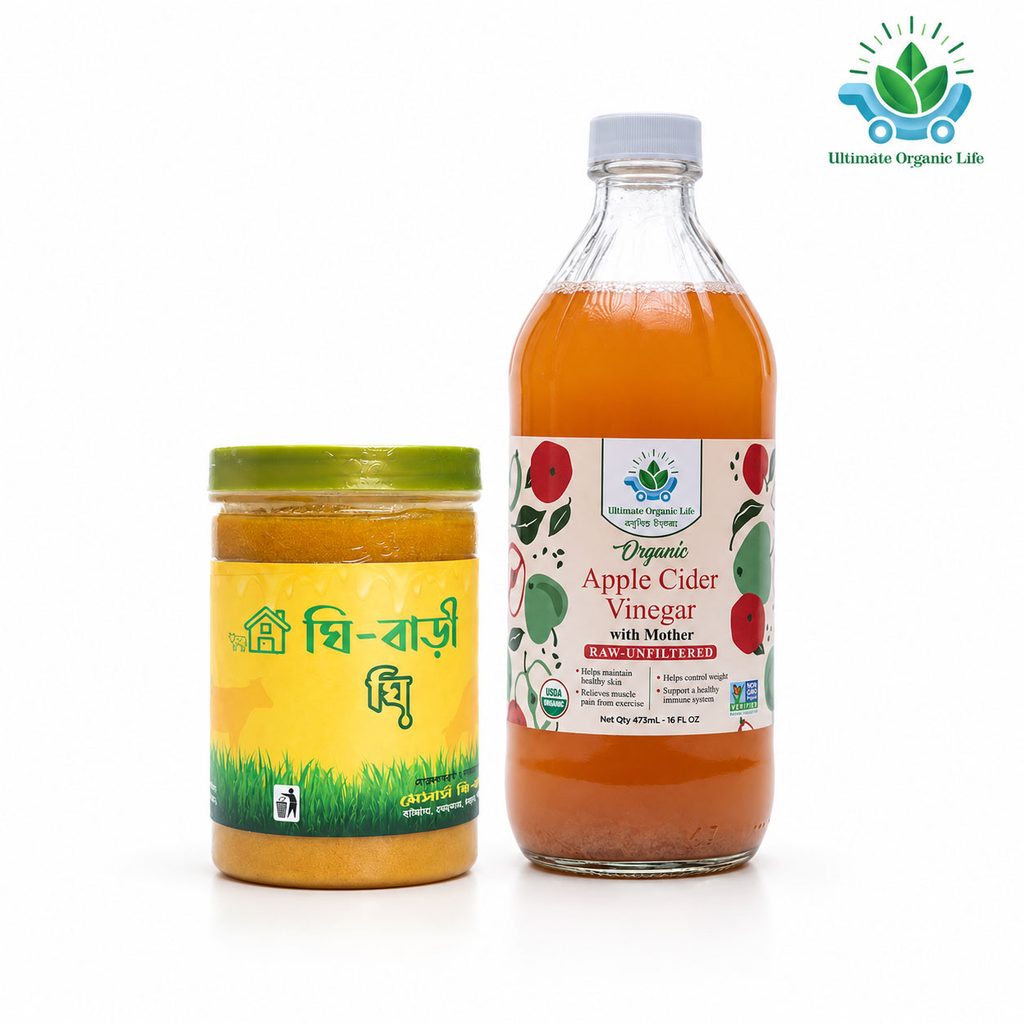
Two functional culinary staples play a synergistic role in healing the gut-liver axis: Raw Apple Cider Vinegar with the Mother and Organic Grass-Fed Ghee. Taking 1 tablespoon (15 ml) of raw, unfiltered apple cider vinegar diluted in a tall glass of water 10 to 15 minutes before your main meals delivers acetic acid and living probiotic organic acids to the stomach. Acetic acid lowers gastric pH to optimize pepsin activation for protein digestion, inhibits intestinal disaccharidase enzymes to blunt postprandial portal glucose spikes by up to 30%, and enters hepatocytes to increase the AMP-to-ATP ratio, directly phosphorylating AMPK to burn liver fat.
When cooking your vegetables, eggs, and curries, replacing inflammatory soybean oil with Organic Grass-Fed Ghee protects the liver on two distinct fronts. First, pure grass-fed ghee consists predominantly of heat-stable saturated and monounsaturated fatty acids with virtually zero polyunsaturated linoleic acid, eliminating lipid peroxidation and aldehyde formation during cooking. Second, grass-fed ghee is the richest dietary source of short-chain butyric acid (butyrate) and medium-chain triglycerides; butyrate nourishes colonocytes, tightens intestinal epithelial tight junctions (zonula occludens-1 and occludin), and prevents bacterial lipopolysaccharide (LPS) endotoxins from leaking into the portal vein and triggering hepatic Toll-like receptor 4 (TLR4) inflammation.
6. Raw Turmeric (Kacha Holud), Amla (Amloki), and Moringa Leaves (Sajna Pata)
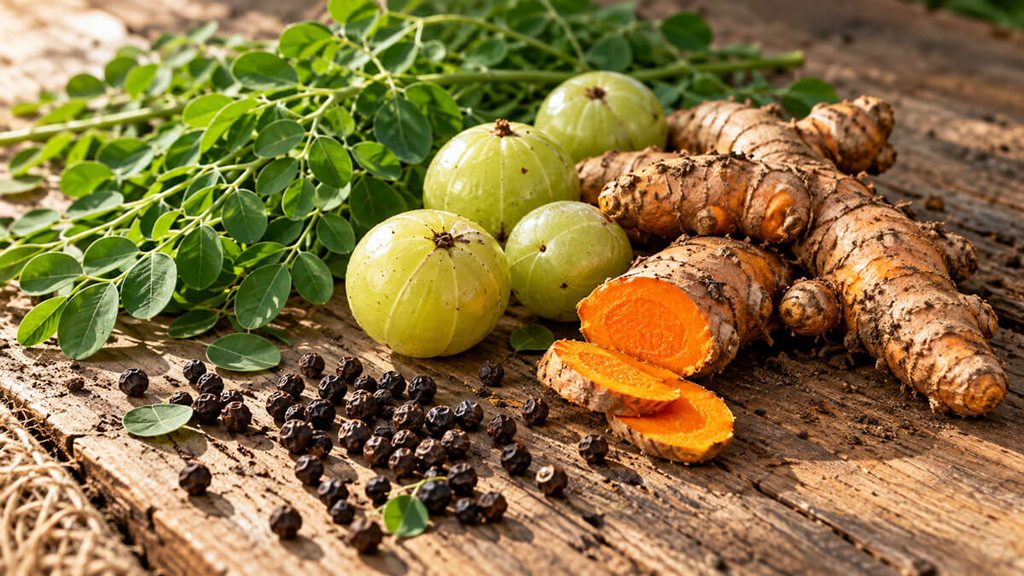
Fresh raw turmeric rhizome (kacha holud), paired with freshly cracked black pepper (gol morich) and cooked in Organic Grass-Fed Ghee, delivers bioavailable curcuminoids directly to the hepatic microcirculation. Piperine in black pepper inhibits hepatic and intestinal glucuronidation of curcumin by 2,000%, allowing curcumin to suppress Nuclear Factor kappa B (NF-κB) and halt the activation of hepatic stellate cells—the specialized cells responsible for laying down collagen scar tissue during liver fibrosis. Meanwhile, fresh Bangladeshi amloki (Indian gooseberry) and sajna pata (moringa leaves) supply heat-stable vitamin C, ellagic acid, chlorogenic acid, and quercetin, which recycle oxidized glutathione back into its active reduced form (GSH).
Clinical Comparison: Hepatoprotective Bangladeshi Foods vs. Hepatotoxic Triggers
To translate hepatic biochemistry into daily kitchen decisions, review the following clinical reference table detailing the exact bioactive compounds, enzymatic targets, and culinary preparations of key Bangladeshi ingredients.
| Bangladeshi Food Item | Primary Bioactive Compounds | Hepatic Mechanism & Pathway | Optimal Culinary Preparation |
|---|---|---|---|
| Deshi Chicken & Duck Eggs (Whole) | Phosphatidylcholine, Methionine, Vitamin B12, Lutein | Drives PEMT & CDP-choline synthesis to package and export trapped hepatic triglycerides via VLDL. | 2–3 whole eggs daily; soft-boiled, poached, or lightly fried in Organic Grass-Fed Ghee. |
| Korola (Bitter Gourd) & Neem Pata | Momordicosides, Charantin, Nimbin, Quercetin | Activates hepatic AMPK, suppresses SREBP-1c lipogenesis, and stimulates TAS2R-mediated bile flow. | Lightly sautéed with onions and turmeric in mustard oil or ghee; never deep-fried in batter. |
| Cruciferous Greens (Mula Shak, Badhakopi, Phulkopi) | Glucoraphanin, Sulforaphane, Indole-3-carbinol (I3C) | Activates nuclear Nrf2, upregulating Phase II glutathione S-transferase and estrogen sulfation. | Chop and let rest 10 minutes before cooking to activate myrosinase; steam-sauté briefly. |
| Wild River Fish (Ilish, Mola, Kachki, Tengra) | EPA, DHA, Taurine, Selenium, Glycine | Activates PPAR-α mitochondrial beta-oxidation and supplies taurine for bile acid conjugation. | Simmered in light turmeric-garlic broth (পাতলা ঝোল) or steamed in mustard paste (ভাপা). |
| Deshi Garlic (Roshun) & Shallots (Peyaj) | Allicin, Diallyl Disulfide, S-Allyl Cysteine | Supplies organic sulfur for Phase II sulfation and inhibits CYP2E1-mediated oxidative stress. | Crush raw cloves 10 minutes prior to adding at the end of cooking or into mashed bhorta. |
| Raw Apple Cider Vinegar with the Mother | Acetic Acid, Polyphenols, Probiotic Acetobacter | Blunts portal vein glucose spikes, lowers postprandial insulin, and phosphorylates hepatic AMPK. | 1 tablespoon diluted in 250 ml warm or room-temperature water 15 minutes before meals. |
| Organic Grass-Fed Ghee | Butyric Acid, CLA, Vitamins A, D, E, and K2 | Seals gut tight junctions to block portal LPS endotoxemia and prevents PUFA lipid peroxidation. | 1–2 teaspoons per meal for sautéing greens, tempering spices (baghar), or cooking eggs. |
7-Day Hepatoprotective Bangladeshi Meal Architecture
Implementing the best food for liver health does not require imported Western supplements when your local kitchen is organized strategically. This 7-day clinical protocol pairs intermittent fasting (a 16:8 or 14:10 eating window) with low-glycemic, choline-rich, and sulfur-dense Bangladeshi meals.
| Day | Pre-Meal Metabolic Primer | First Meal (Midday / 12:30 PM) | Evening Meal (By 7:30 PM) |
|---|---|---|---|
| Saturday | 1 tbsp Raw Apple Cider Vinegar with the Mother in water + 1 raw amloki | Sautéed korola with onions; mola fish curry with radish (mula); 2 soft-boiled deshi eggs; cucumber-coriander salad. | Steamed cauliflower and cabbage stir-fry in Organic Grass-Fed Ghee; grilled country chicken breast with garlic-turmeric rub. |
| Sunday | 1 tbsp ACV in water + warm green tea with crushed ginger | Sajna pata (moringa leaf) stir-fry; steamed ilish with mustard seed paste; mashed eggplant (begun bhorta) with raw garlic and mustard oil. | Clear country chicken bone broth with bottle gourd (lau), ginger, black pepper, and 2 poached duck eggs. |
| Monday (Sunnah Fast) | Pre-dawn Suhoor: 3 whole eggs cooked in ghee, soaked chia seeds, and warm water | Daytime Dry Fast (Dawn to Sunset) — Deep hepatic autophagy and glycogen depletion. | Iftar: 1 tbsp ACV in water, 1 small date, followed by tengra fish broth with green papaya (pepe) and sautéed spinach (palong shak). |
| Tuesday | 1 tbsp ACV in water + ½ tsp raw turmeric paste with black pepper | Mustard greens (shorshe shak) sautéed with garlic; rui fish curry with pointed gourd (potol); pumpkin seed and tomato salad. | 2-egg omelet with chopped onions, green chilies, and coriander cooked in Organic Grass-Fed Ghee; steamed broccoli with lemon juice. |
| Wednesday | 1 tbsp ACV in water + cinnamon-infused black coffee or green tea | Lightly roasted neem pata with crushed eggplant; slow-cooked beef liver (kolija bhuna) in ghee with extra ginger; radish salad. | Small river fish (kachki mach) dry-braised with onions and turmeric; sautéed ridge gourd (jhinga) and snake gourd (chichinga). |
| Thursday (Sunnah Fast) | Pre-dawn Suhoor: Leftover fish curry, sautéed cabbage in ghee, and 2 boiled eggs | Daytime Dry Fast (Dawn to Sunset) — Maximizing CPT-1 fatty acid transport and ketone synthesis. | Iftar: 1 tbsp ACV in water, bone broth, steamed boal fish with cauliflower, and black cumin (kalojira bhorta) with raw garlic. |
| Friday | 1 tbsp ACV in water + fresh lemon peel tea | Traditional grass-fed mutton or beef stew with green papaya; bitter gourd (ucche) stir-fry; large mixed leafy salad with olive oil or mustard oil. | Light vegetable and fish soup (lau-shol macher jhol) with fresh coriander, ginger juliennes, and 1 tsp Organic Grass-Fed Ghee. |
Step-by-Step Clinical Protocol to Reverse Fatty Liver in 90 Days
Reversing Grade 1 or Grade 2 hepatic steatosis requires a synchronized daily lifestyle rhythm that integrates cellular nutrition, circadian timing, physical movement, and autonomic nervous system regulation. Our clinical framework is anchored in the Five Pillars of JK Lifestyle, addressing root metabolic causes rather than masking symptoms with pharmaceuticals.
- Step 1: Eliminate Portal Fructose and Linoleic Acid Immediately. Purge all refined soybean oil, sunflower oil, rice bran oil, packaged biscuits, sugary beverages, sweetened yogurt (mishti doi), and commercial fruit juices from your home. Even excess high-fructose tropical fruits like ripe mangoes, jackfruit, and grapes must be paused during active fatty liver reversal because fructose bypasses phosphofructokinase regulation and goes straight into hepatic DNL.
- Step 2: Anchor Every Meal with Bitter, Sulfur, and Choline Precursors. Begin your midday meal with a small portion of bitter greens or korola to stimulate cholecystokinin and bile flow. Follow with 1.5 to 2 cups of sulfur-rich cruciferous or leafy vegetables cooked in Organic Grass-Fed Ghee, alongside whole eggs and wild indigenous fish.
- Step 3: Compress Your Feeding Window and Practice Sunnah Fasting. Leave at least 14 to 16 hours between your evening dinner and your first meal the next day so basal insulin drops low enough to unlock CPT-1 mitochondrial fat oxidation. Incorporating Monday and Thursday Sunnah dry fasting accelerates hepatic lipophagy—the specialized form of cellular autophagy where lysosomes engulf and digest intracellular lipid droplets, as documented in metabolic research published by The Lancet.
- Step 4: Perform 15 Minutes of Post-Meal Walking and Daily Resistance Exercise. Contracting skeletal muscle immediately after eating activates GLUT4 glucose transporters via an insulin-independent AMPK pathway, diverting circulating glucose into muscle tissue before it can overload the liver. Explore our clinical guide on exercise benefits for metabolic recovery to structure your weekly strength and aerobic sessions.
- Step 5: Integrate Namaz and Dhikr to Lower Hepatic Cortisol Drive. Chronic psychological stress elevates cortisol via the hypothalamic-pituitary-adrenal (HPA) axis, stimulating hepatic gluconeogenesis (converting amino acids into blood glucose even while fasting) and worsening insulin resistance. Performing the five daily prayers (Namaz) provides rhythmic spinal decompression, gentle abdominal compression during ruku and sujood that aids portal venous return, and a vagal nerve reset, while post-prayer Dhikr and slow diaphragmatic breathing lower sympathetic tone and nocturnal glucose output.
Clinical Biomarkers: How to Track Your Liver Recovery Objectively

Never rely solely on a standard abdominal ultrasound report, as ultrasound only detects steatosis comfortably when more than 20% to 30% of hepatocytes are infiltrated with fat. Furthermore, standard laboratory reference ranges for ALT and AST are derived from populations that already have a high prevalence of undiagnosed metabolic syndrome.
When following a therapeutic liver healthy diet, track these five functional blood and imaging biomarkers every 90 days: First, target an optimal ALT and AST below 22 U/L for men and below 18 U/L for women, with an AST-to-ALT ratio below 0.8. Second, measure Gamma-Glutamyl Transferase (GGT), the most sensitive marker of intracellular glutathione depletion and biliary oxidative stress, aiming for below 20 U/L. Third, calculate your Triglyceride-to-HDL Ratio from a fasting lipid panel; a ratio below 1.5 (measured in mg/dL) indicates minimal hepatic VLDL overproduction. Fourth, test Fasting Insulin and HOMA-IR, targeting a fasting insulin below 6 µIU/mL and a HOMA-IR score under 1.2. Fifth, request a quantitative FibroScan (Transient Elastography) to measure your Controlled Attenuation Parameter (CAP score, targeting <238 dB/m) and liver stiffness measurement (LSM, targeting <5.5 kPa).
Troubleshooting Common Hurdles During Hepatic Fat Clearance
1. Right Upper Quadrant Heaviness or Nausea When Increasing Healthy Fats
Patients transitioning from a high-carbohydrate diet to whole eggs and Organic Grass-Fed Ghee occasionally experience mild bloating or a dull ache beneath the right rib cage. This occurs because years of low-fat, high-starch eating cause gallbladder hypomotility and thick, viscous bile sludge. Instead of abandoning healthy fats, dilute 1 tablespoon of Raw Apple Cider Vinegar with the Mother in warm water before meals, include bitter korola or lemon juice to trigger cholecystokinin release, and step up your egg and ghee intake gradually over 10 to 14 days as biliary flow normalizes.
2. Temporary Elevation in Serum Uric Acid During Fasting
During the first three to four weeks of carbohydrate restriction and Sunnah fasting, serum uric acid may rise transiently by 1.0 to 1.5 mg/dL because endogenous beta-hydroxybutyrate ketones compete with uric acid for renal tubular excretion. Maintain optimal hydration with pinch-salted water and fresh lemon juice between meals, avoid fructose completely, and rest assured that renal uric acid clearance typically drops below baseline by week six.
3. Stubborn Morning Fasting Glucose Despite Cutting Rice
If your post-meal glucose is normal but your waking fasting blood sugar remains between 105 and 120 mg/dL, your liver is still dumping stored glycogen and executing cortisol-driven gluconeogenesis via the dawn phenomenon. Finish your evening meal at least 3.5 hours before sleep, practice 10 minutes of quiet Dhikr and nasal breathing after Isha prayer to blunt nocturnal cortisol, and ensure your room is pitch-dark to protect melatonin secretion.
Frequently Asked Questions About Reversing Fatty Liver Naturally
Can eating whole eggs every day increase cholesterol or worsen fatty liver?
No; avoiding egg yolks actually starves the liver of phosphatidylcholine, the exact phospholipid required to package and export trapped triglycerides out of hepatocytes via VLDL particles. Clinical research reviewed by Harvard Health and hepatology investigators confirms that dietary cholesterol in whole eggs does not drive hepatic steatosis; rather, refined starches and sugars trigger internal cholesterol and triglyceride synthesis via HMG-CoA reductase and SREBP-1c.
Is sugarcane juice (akher rosh) or coconut water good for liver cleansing?
In Bangladeshi street culture, sugarcane juice (akher rosh) is widely marketed as a cooling remedy for jaundice and liver weakness, yet for a patient with fatty liver, it is metabolically destructive. Sugarcane juice delivers a massive bolus of sucrose (50% glucose and 50% fructose) directly to the portal vein, immediately activating ChREBP and accelerating hepatic fat synthesis; stick to plain water, green tea, or diluted Raw Apple Cider Vinegar with the Mother instead.
How does hepatoprotective nutrition differ for lean NAFLD (“thin outside, fat inside”)?
Many Bangladeshi adults have a normal body mass index (BMI under 23 kg/m²) yet show Grade 2 fatty liver on ultrasound—a phenotype driven by genetically lower subcutaneous adipose storage capacity (personal fat threshold), sarcopenia (low skeletal muscle mass), and high visceral fat from white rice and seed oils. For lean MASLD patients, a liver healthy diet must maintain sufficient caloric and protein density from fish, country chicken, eggs, and Organic Grass-Fed Ghee while strictly eliminating refined carbohydrates and adding progressive resistance training to build glucose-absorbing muscle tissue.
Is beef liver (kolija) safe to eat if I already have fatty liver?
Yes, consuming grass-fed beef or mutton liver once a week (100 to 120 grams) is exceptionally restorative because organ meat is nature’s richest source of choline, folate, vitamin B12, heme iron, copper, and CoQ10. The key is culinary preparation: cook kolija gently with ginger, garlic, turmeric, and ghee rather than frying it in half a cup of inflammatory soybean oil.
How long does it take to see measurable improvement on ultrasound and blood tests?
Hepatocytes have remarkable regenerative capacity once lipogenic triggers are removed and Phase I/II nutrient cofactors are supplied. Most compliant patients observe a 30% to 50% reduction in elevated ALT, AST, and GGT enzymes within 4 to 6 weeks, while significant structural clearance of intrahepatic fat on FibroScan or ultrasound is consistently achieved within 12 to 16 weeks of choosing the best food for liver health.
Book Your Lifestyle Consultation — Call 09678-242404.